

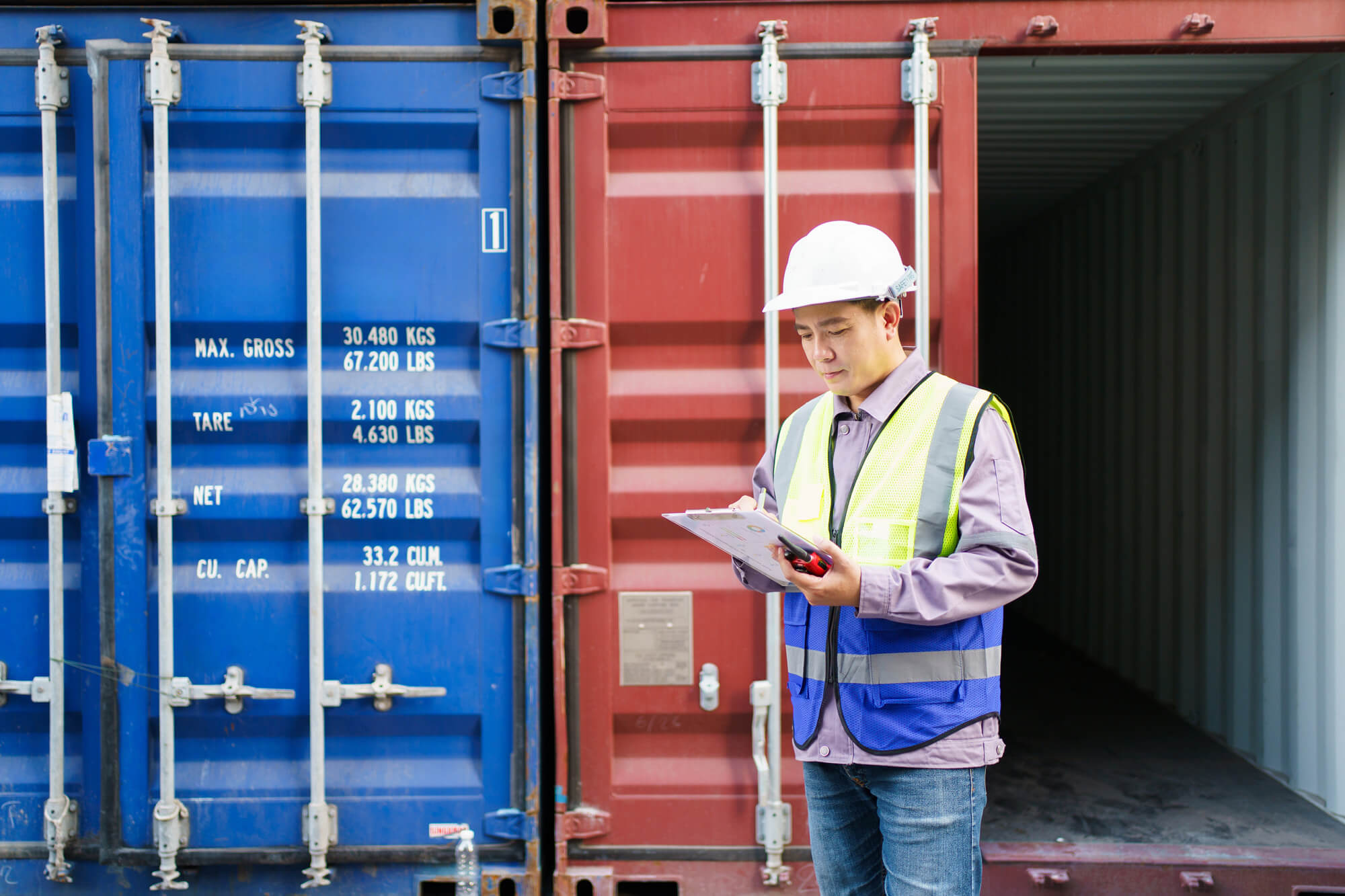
A shipment can be booked on the fastest service available, but if the customs information is incomplete or incorrect, the goods may still be delayed at the border.
For UK businesses, understanding the basics helps you prepare better documents, budget for import costs and avoid preventable holds. This guide explains what customs clearance means, how the process works and what businesses can do to keep freight moving.
What Is Customs Clearance?
Customs clearance is the process of completing the customs formalities required for goods to enter or leave a customs territory. Depending on the movement, this can include submitting a declaration, providing supporting documents, confirming classification and origin, and dealing with applicable duties and taxes.
The exact process varies by route and goods. For imports into Great Britain, HMRC guidance sets out the steps businesses must follow and the information required.
Why Customs Clearance Matters
-
It allows goods to move legally across international borders.
-
It helps HMRC calculate and collect duties and taxes where applicable.
-
It checks whether restrictions, licences or controls apply.
-
It gives authorities information about the goods, value, origin and parties involved.
-
Accurate clearance helps prevent avoidable storage charges and delivery delays.
How the Customs Clearance Process Works
1. Prepare the shipment information
Before the goods arrive at the border, gather accurate details about the seller, buyer, goods, value, origin, commodity code, weights, packages and transport route.
2. Submit the customs declaration
The declaration is submitted through the appropriate customs system, either by the business itself or by an appointed customs agent or freight forwarder.
3. Customs assesses the declaration
The shipment may be released based on the declaration, or customs may request further
information, documentary checks or a physical examination. Some goods are subject to additional
government controls.
4. Duties and taxes are dealt with
Where charges are due, they must be accounted for using the appropriate method before or as part of release. The treatment depends on the goods, value, origin and importer arrangements.
5. Goods are released for onward delivery
Once the relevant requirements are satisfied, the shipment can continue to its final destination.
Documents Commonly Used for Customs Clearance
Commercial invoice
This is one of the most important documents. It should clearly describe the goods and show the
parties, quantity, value, currency, origin and commercial terms.
Packing list
This provides the physical breakdown of the shipment, including package count, weights, dimensions and how the goods are packed.
Transport document
Air waybills, bills of lading, CMRs and courier waybills identify the transport movement and
consignment.
Licences and certificates
Certain products require additional evidence such as certificates of origin, health documents,
phytosanitary certificates, permits or product-compliance documentation.
What Information Does a Customs Declaration Need?
The exact data varies by procedure, but businesses should expect to provide a detailed description of the goods, commodity code, value, origin, quantity, packages, transport information and the parties involved. Procedure codes and additional document references may also be required.
This is why vague descriptions such as “parts”, “goods” or “samples” can cause problems. Customs information needs to identify what the product actually is.
Commodity Codes and Customs Classification
The commodity code is central to customs clearance because it can determine the duty rate, VAT treatment, licensing requirements and other measures that apply. HMRC recommends using the UK Trade Tariff to classify goods.
If classification is uncertain, get advice before the shipment moves rather than waiting until the goods are already at the border.
Common Reasons Customs Clearance Is Delayed
-
Missing or incomplete commercial invoices.
-
Incorrect or vague goods descriptions.
-
Wrong commodity codes.
-
Inconsistent values, weights or quantities across documents.
-
Missing licences or certificates.
-
Questions over country of origin or valuation.
-
Outstanding duties or taxes.
-
A routine or targeted customs inspection.
How to Reduce the Risk of Customs Delays
-
Prepare documents before collection wherever possible.
-
Use specific and consistent product descriptions.
-
Confirm the commodity code and origin.
-
Check licences and restrictions before the goods leave the supplier.
-
Make sure the importer/exporter details are correct.
-
Respond quickly if customs requests additional information.
-
Use a freight forwarder or customs agent when the process is unfamiliar or complex.
Import Duty and Import VAT
Import duty is not a flat charge. The rate can depend on the commodity code, customs value, country of origin and any trade preference or relief that applies. Import VAT is calculated under separate valuation rules.
The UK Trade Tariff is the official tool for checking current commodity codes, duty and VAT measures. Because customs treatment can change, avoid relying on an old spreadsheet or a rate used for a different product.
Can Customs Clearance Be Prepared Before Arrival?
In many cases, much of the information and documentation can be prepared before the goods reach the border. Early preparation gives the customs agent time to identify missing data and can reduce unnecessary delay after arrival. The exact timing of a declaration depends on the procedure and movement.
How MSK Logistics Supports Customs Clearance
MSK Logistics can arrange customs clearance for imports and exports moving by road, sea and air.
Our team can review documents, support the preparation of customs information and help
customers understand what is needed for the shipment.
The value is not simply submitting a declaration - it is having someone available to spot issues early, communicate clearly and help coordinate the customs stage with the wider transport movement.