

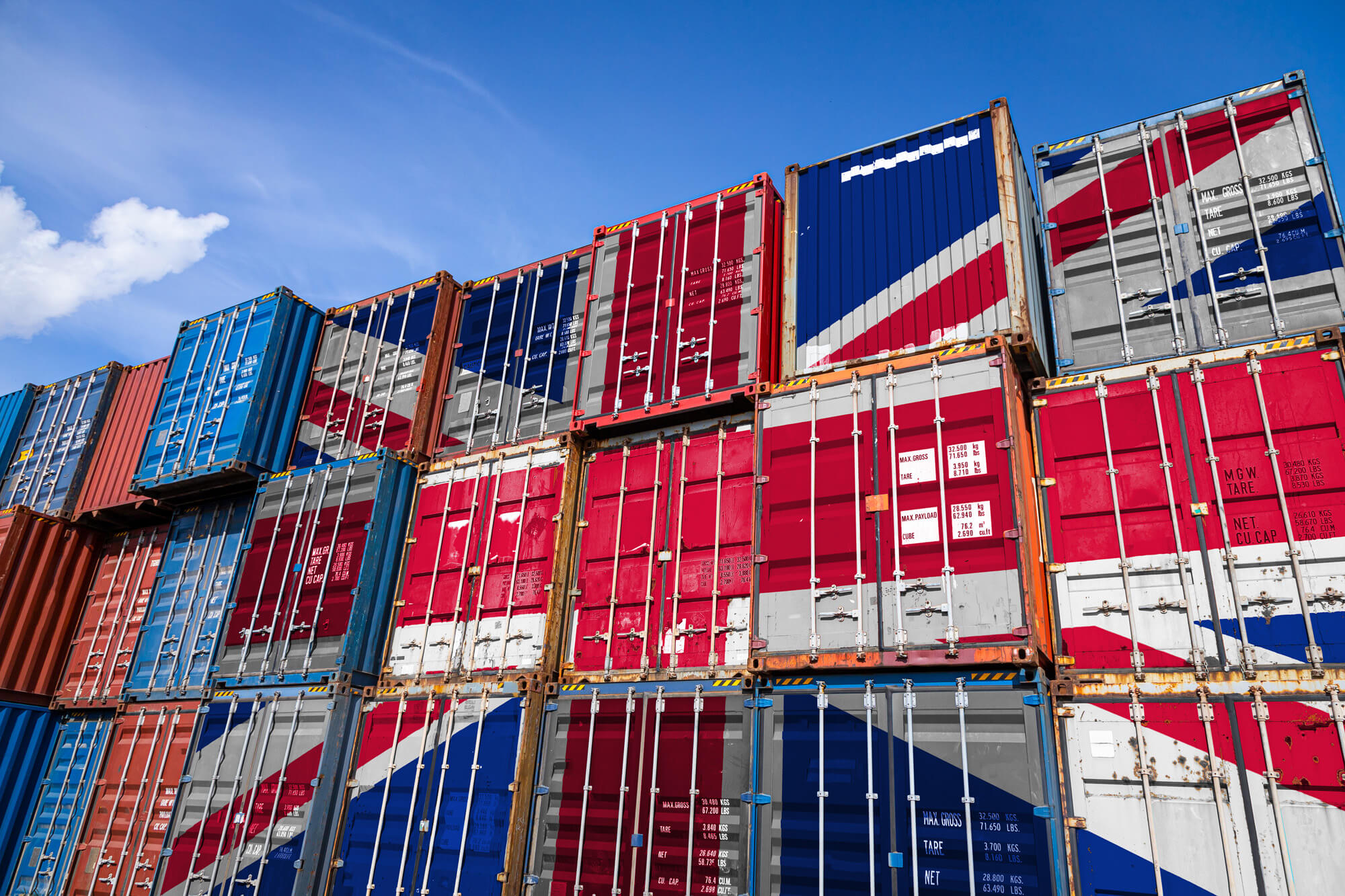
You may need an EORI number, the correct commodity code, accurate customs information, supporting documents and a clear plan for duty, VAT and final delivery.
The process becomes much easier when you work through it in the right order. This beginner-
friendly guide explains the main steps for businesses importing goods into Great Britain and
highlights where an experienced freight forwarder can help.
Importing Goods into the UK: The Process at a Glance
-
Confirm the goods can be imported and check whether licences or certificates are required.
-
Make sure your business is ready to import, including obtaining the correct EORI number where required.
-
Choose the right freight method: air, sea, road or courier.
-
Find the correct commodity code for the goods.
-
Agree the Incoterms and commercial responsibilities with your supplier.
-
Prepare the commercial invoice, packing information and any supporting certificates.
-
Submit the required customs declaration and deal with duty/VAT where applicable.
-
Arrange final delivery after the goods are released.
Step 1: Check What You Are Importing
Start with the product itself. Different goods can have different import restrictions, licensing requirements, safety standards and documentary requirements. Food, plants, animal products, chemicals, medicines and certain controlled goods may need additional approvals or inspections.
Before the shipment leaves the supplier, confirm the product description, material, intended use, country of origin and whether any restrictions apply. This information also helps with commodity-code classification later.
Step 2: Make Sure Your Business Is Ready to Import
For most commercial imports into England, Wales or Scotland, a business needs a GB EORI number. Businesses moving goods involving Northern Ireland may need a different EORI arrangement. GOV.UK provides a step-by-step import guide and the latest requirements.
Do this before booking a time-critical shipment. Missing importer details can create avoidable delays when the goods arrive.
Step 3: Choose the Right Shipping Method
Air freight
Best when speed is important, the goods are valuable, the consignment is relatively small or a stock shortage would be expensive. Air freight usually costs more than sea freight but can materially reduce lead time.
Sea freight
Best for larger, heavier and planned shipments. FCL can suit businesses with enough cargo for
dedicated container space, while LCL allows smaller shipments to share a container.
Road freight
Often the most practical option for UK-Europe trade, especially for pallets, regular commercial loads, dedicated vehicles and time-sensitive movements.
Courier
Useful for parcels, samples and smaller consignments that need straightforward door-to-door
delivery.
Step 4: Find the Correct Commodity Code
Commodity codes are used on customs declarations and help determine the duty rate, VAT treatment, licences and other measures that may apply to the goods. Classification should be based on the product itself - including what it is made from, what it does and how it is presented.
Do not guess. An incorrect code can lead to delays, incorrect duty calculations, rejected declarations or penalties. The UK Trade Tariff is the official place to check commodity codes and current measures.
Step 5: Understand Incoterms and Who Is Responsible for What
One of the most common causes of confusion for new importers is not knowing where the seller’s
responsibility ends and the buyer’s begins. Incoterms can define who arranges freight, who bears risk at different points and which party handles particular costs.
Make sure the agreed Incoterm is shown clearly on the commercial paperwork and that both parties understand it before the goods move.
Step 6: Prepare the Core Shipping Documents
Commercial invoice
The commercial invoice normally includes the seller and buyer, a clear description of the goods, quantity, value, currency, country of origin and relevant commercial terms.
Packing list
The packing list gives the physical breakdown of the shipment - package count, dimensions, weights, packaging type and how the goods are distributed.
Transport document
Depending on the mode, this may be an air waybill, bill of lading, CMR or courier waybill. It identifies the shipment and the transport arrangement.
Licences and certificates
Some goods need certificates of origin, health certificates, phytosanitary documents, conformity evidence or other product-specific paperwork.
Step 7: Customs Declaration and Clearance
Most commercial imports require customs formalities. The declaration contains information such as the importer/exporter, commodity code, description, value, origin, procedure and transport details.
HMRC uses that information to determine the correct treatment of the goods.
Many businesses appoint a customs agent or freight forwarder to handle the declaration. Accurate information supplied before arrival can make the process far smoother.
Step 8: Import Duty and VAT
Import duty depends on the commodity code, customs value, origin and any preferential trade
treatment that applies. Import VAT may also be due. The UK Trade Tariff is the right place to check current duty and VAT measures for a product.
Budget for these costs before you buy. Landed cost should include the goods, freight, insurance
where relevant, duty, VAT treatment, customs charges and final delivery - not just the supplier’s unit
price.
Common Mistakes First-Time Importers Make
-
Booking freight before checking restrictions or licences.
-
Using vague product descriptions such as “parts” or “samples”.
-
Guessing the commodity code.
-
Not agreeing Incoterms clearly with the supplier.
-
Providing inconsistent values or quantities across documents.
-
Underestimating door-to-door transit time.
-
Choosing the cheapest freight quote without checking what is included.
-
Failing to budget for duty, VAT, storage or clearance charges.
How MSK Logistics Can Help
MSK Logistics supports businesses with air, sea, road and courier services alongside customs
clearance and import/export guidance. We can help coordinate the transport, review the information needed for clearance and keep you updated as the shipment moves.
Whether this is your first import or you are looking for a more responsive logistics partner for regular shipments, our aim is to make the process easier to understand and easier to manage.